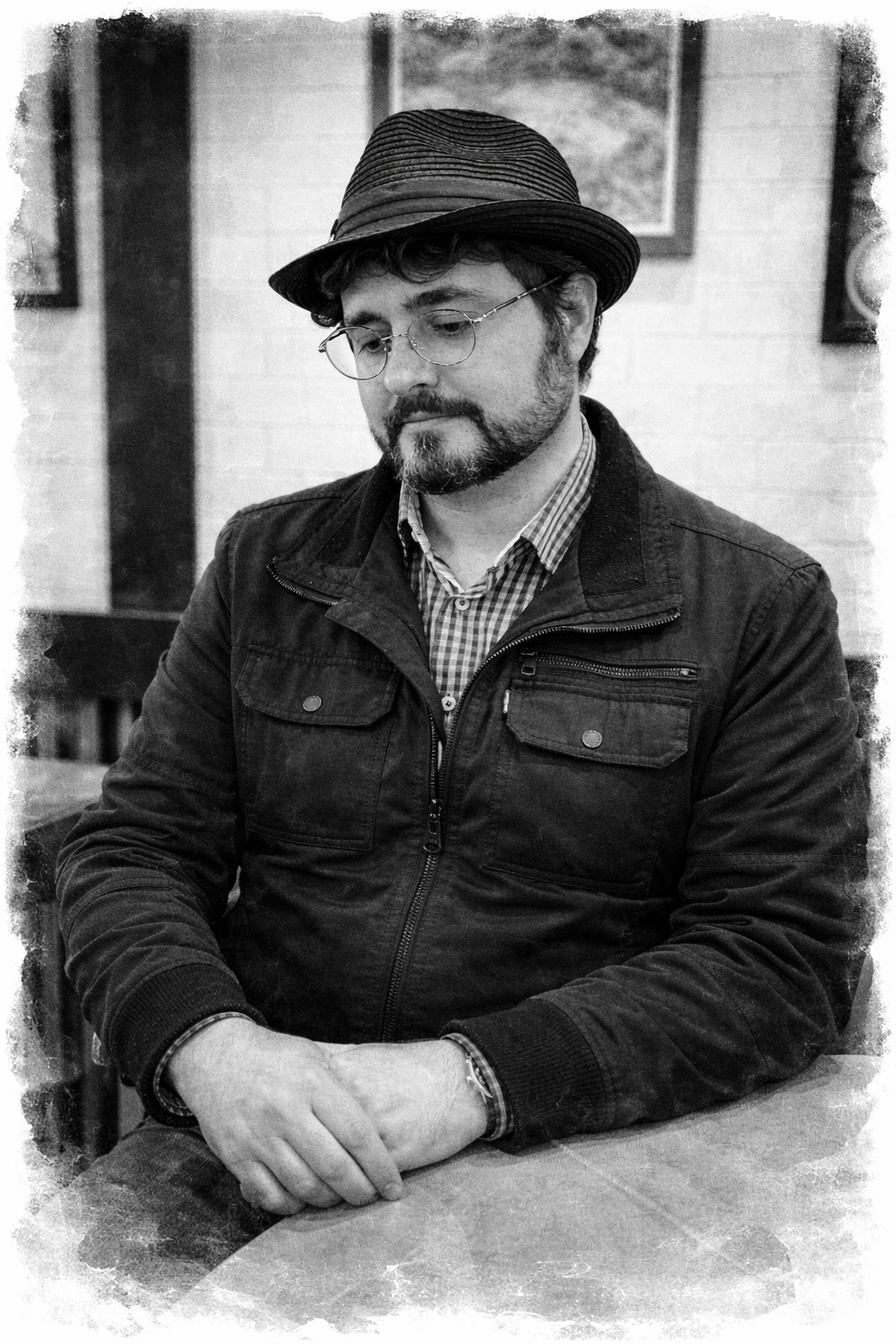
I am a historian working on the experience of crossing borders and its memorialization within Japan's modern history, with a focus on the history of Japanese overseas migration and the Japanese community in Brazil.
My doctoral thesis, published by Osaka University Press in 2022, examined the life and work of Japanese immigrant historian and painter Handa Tomoo (1906–1996), analyzing how the history of Japanese migration to Brazil has been written, how WWII was commemorated within the Nikkei community, and how immigrant intellectuals actively engaged with these questions.
Currently, I am undertaking a JSPS-funded project on the ideological ties between the Japanese Brazilian community and the prewar Japanese empire, examining the intellectual activities of Nikkei immigrants through their ethnic media and cultural production.
I also work as a literary translator, focusing on Brazilian literature in Japanese translation, and I am involved in a new Japanese translation project of Luís Fróis's História de Japam.
A parallel line of my research focuses on the life and work of photographer Aramasa Taku (新正卓, b. 1936), whose images document the emotional and historical depth of Japanese transnational experience — from wartime Manchuria through postwar emigration to Brazil and the United States, to portraits of Indigenous communities. Drawing on unpublished materials, oral history interviews, and systematic analysis of his photobooks and exhibition records, this project reads Aramasa's visual practice as a form of historical narration that engages empire, loss, memory, and boundary-crossing.
Books & Articles
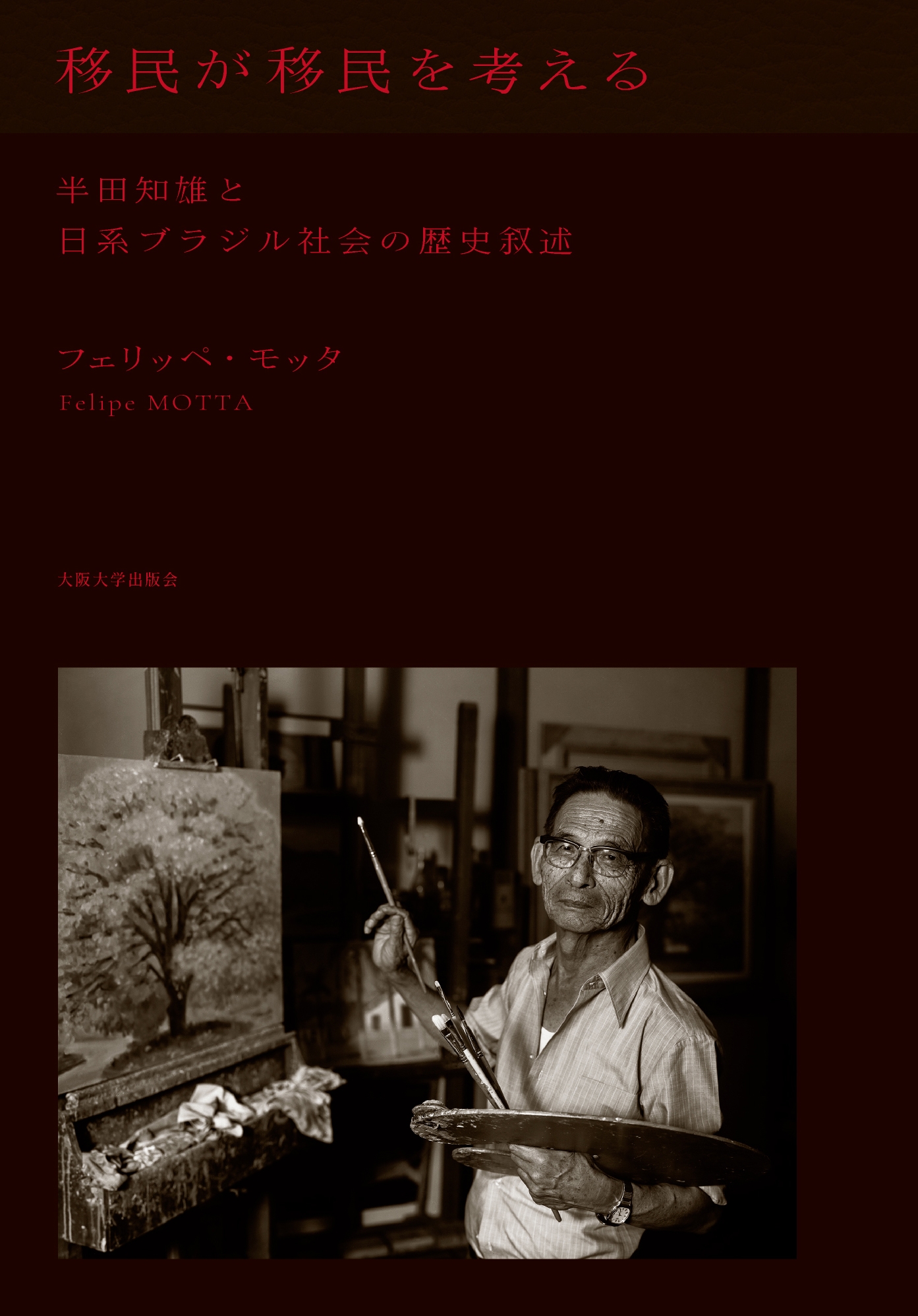
移民が移民を考える
Immigrants Thinking About Immigrants: Handa Tomoo and the Historiography of the Japanese Brazilian Community
Publisher ↗
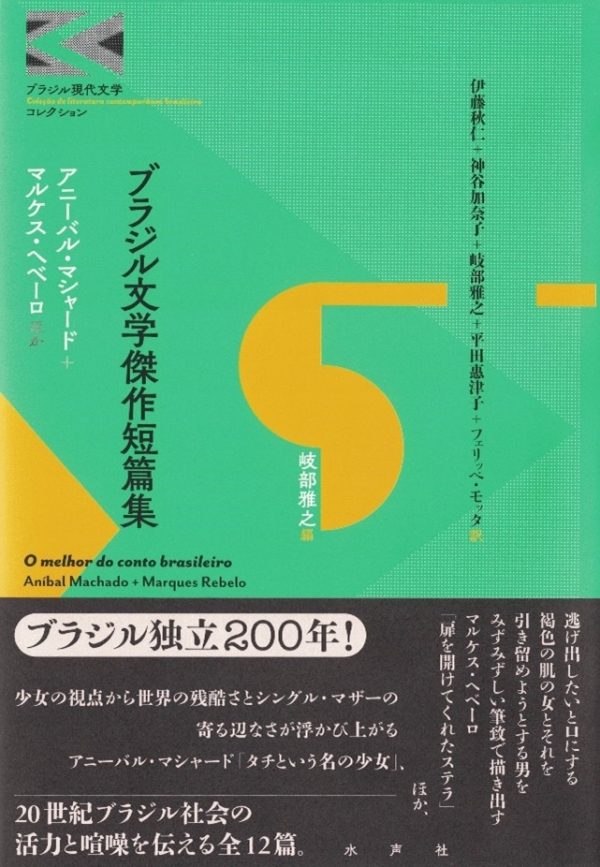
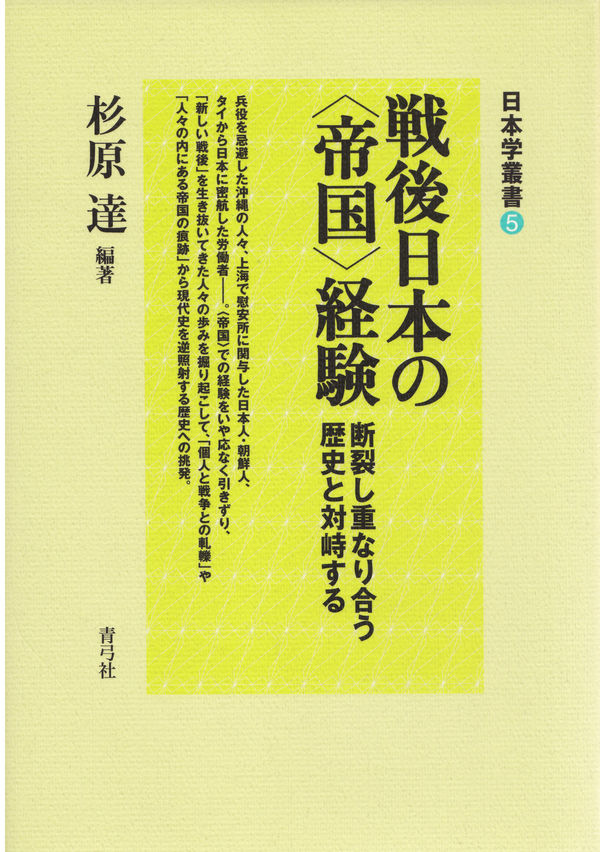
戦後日本の〈帝国〉経験 断裂し重なり合う歴史と対峙する
The Experience of "Empire" in Postwar Japan: Confronting Fractured and Overlapping Histories
Publisher ↗
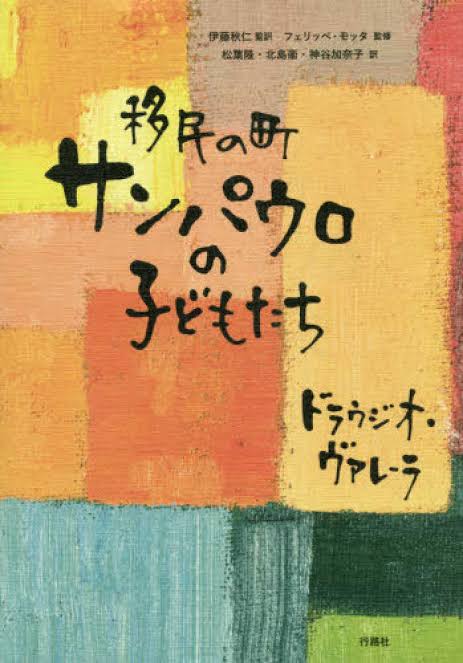
移民の町サンパウロの子どもたち
Children of São Paulo, City of Immigrants (adapted from Nas Ruas do Brás)
Amazon ↗
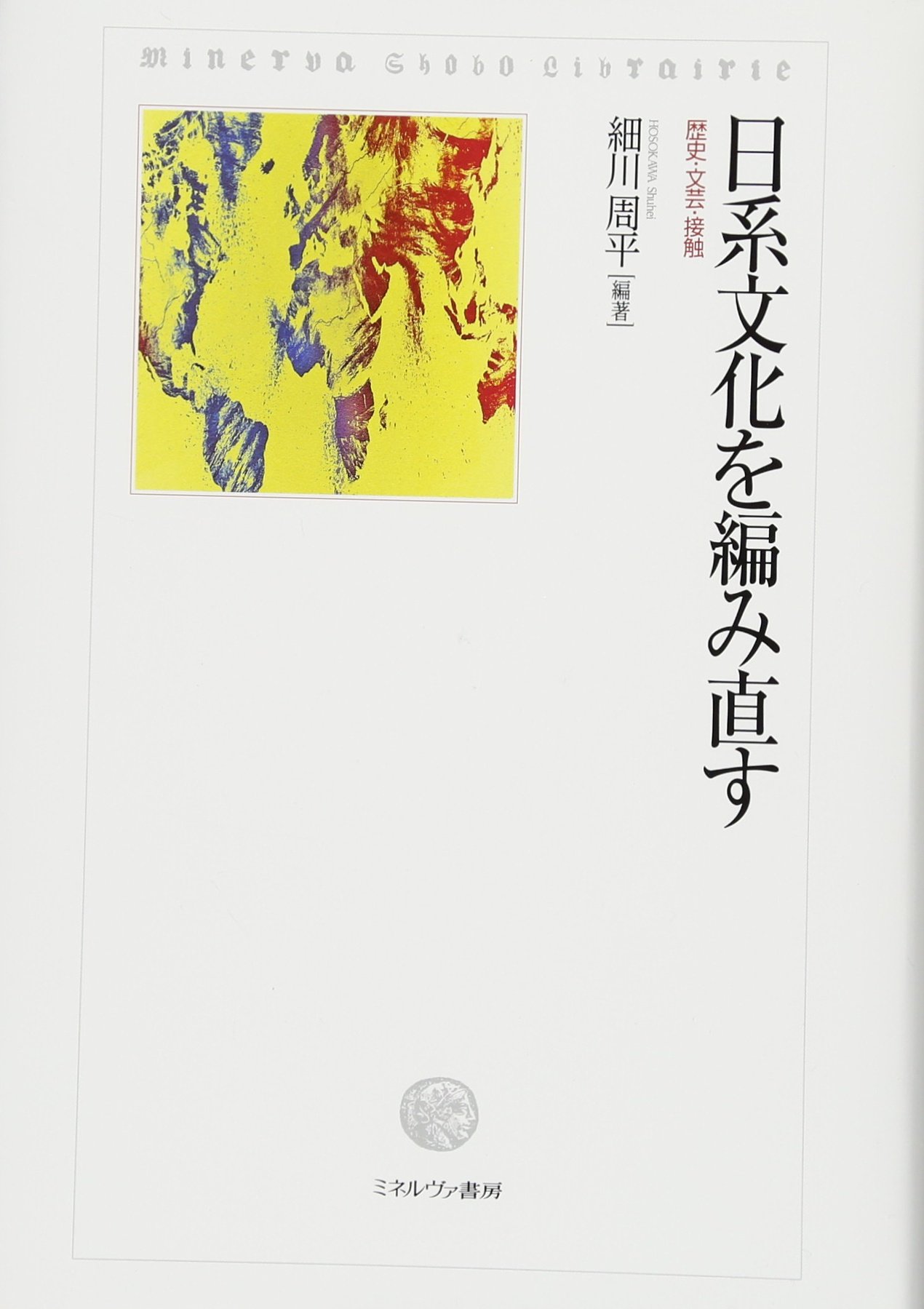
戦前ブラジル日本移民の記憶と歴史 —半田知雄の少年期をめぐる記述から—
Prewar Brazilian Immigrants' Memory and History: On the Narratives of Handa Tomoo's Childhood
Kinokuniya ↗
Current & Recent Projects
Research on the Intellectual Ties Between the Japanese Empire and the Japanese Community in Brazil
This project explores how Japanese Brazilian communities engaged with and reinterpreted ideological constructs of the Japanese Empire, particularly through education, ethnic media, and discourses of re-migration and belonging during the prewar and wartime periods.
The Luís Fróis Project
In collaboration with Itoh Akihito (伊藤秋仁, Kyoto University of Foreign Studies) and Goza Yuuichi (呉座勇一, International Research Center for Japanese Studies), I am part of a new annotated Japanese translation of Luís Fróis's História de Japam. Completed by the Portuguese Jesuit missionary between 1583 and 1597, Fróis's chronicle remains one of the most detailed firsthand accounts of Japan during the Sengoku period, offering an extraordinary outsider perspective on politics, religion, and daily life. The project combines philological rigour with historical contextualisation, aiming to make this foundational text accessible to contemporary Japanese readers.
Our first collaborative output — an introduction and selected translation — was published in the peer-reviewed journal Ignis (Kyoto University of Foreign Studies, vol. 5, January 2026).
Translation of Graciliano Ramos
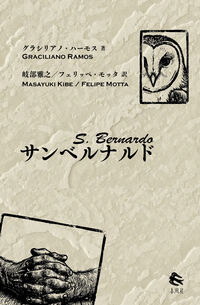
In collaboration with Masayuki Kibe (岐部雅之, specialist in Brazilian literature), I am producing the first complete Japanese translation of São Bernardo (1934) by Graciliano Ramos, one of the defining novels of twentieth-century Brazilian literature. The project engages with the formal and stylistic challenges of Ramos's austere, psychologically driven prose, working to convey both the literary force and the social world of the Brazilian Northeast in the interwar period. A book translation was published by 春風社 in 2026; translations of chapters I–XXI have appeared in the peer-reviewed journals Ignis and ANAIS since 2024. Work on the translation of Insônia (1947) is currently underway. The longer-term aim of the project is to produce Japanese translations of Graciliano Ramos's complete works.
Visual Culture and the Work of Photographer Aramasa Taku (b. 1936)
This research focuses on the life and work of Aramasa Taku (新正卓), whose photography captures the emotional and historical complexities of Japanese transnational lives — from wartime Manchuria to postwar migration in Brazil and the U.S., to portraits of Indigenous communities. His major works include A Portrait of Japanese Immigrants to South America (1985), Who Am I (1990), and The Silent Land / Siberia (1995). Drawing on unpublished materials, in-depth interviews, and analysis of his photobooks and exhibitions, the project considers Aramasa's visual practice as a form of historical narration engaging themes of empire, loss, memory, and boundary-crossing.
Transnational Histories of Japanese Immigration to South America
As part of a collaborative research group at the JICA Ogata Sadako Research Institute, this contribution investigated Christian educational practices promoted by the Nihon Rikkōkai and the role of religious discourse in shaping community identity and imperial ties. The collective volume resulting from this project was published by the University of Tokyo Press in 2025 as 移民がむすぶ日本と南米の歴史:帝国・開発・官民協力 (ed. Facundo Garasino and Kana Takaki).
The Immigrant Intellectual in Brazil's Nikkei Community: Intellectual Practice and Speech
Examined how Japanese Brazilian intellectuals developed historical and political discourse through community newspapers, magazines, and public lectures, focusing on the internal dynamics of knowledge-making in migrant society.
Writing
Occasional essays on history, translation, culture, and the experience of living and working between Brazil and Japan.
Selected Presentations
A selection of conference papers, invited lectures, and symposium presentations. For the full record, see researchmap.jp/fmotta.
Courses
A selection of courses taught at Kyoto University of Foreign Studies (KUFS) and the University of Osaka.
Portuguese-Speaking World Seminar I & II — ポルトガル語圏社会ゼミⅠ・Ⅱ
My research spans the history of migration and cross-border experience in the Japan-Latin America relationship — particularly the Japanese Brazilian community — examining themes of mobility, memory, empire, and minority representation across history, visual culture, translation, and comparative literature. Current threads include: ① Nikkei intellectual life and public discourse; ② intersections of Latin American and Japanese history; ③ ideological ties between the transnational Nikkei community and imperial Japan; ④ translation and Lusophone literature; ⑤ visual representations of cross-border experience and memory. The common thread is the question of how the experience of those who cross borders is narrated, recorded, and remembered. The seminar welcomes students who share an interest in these themes and wish to explore society, history, and expression from their own perspective.
Foundations of academic research; preparation for thesis writing. Students develop skills in academic argumentation through close reading and discussion of Lusophone texts, and identify a thesis topic based on their own interests.
Continued close reading alongside individual thesis presentations and discussion. Students deepen their research themes and develop a culture of mutual scholarly support through shared bibliography.
Finalising thesis structure, reviewing prior scholarship, and clarifying the analytical direction of the research question. Students advance their writing toward the complete thesis.
Full-scale thesis writing. Students submit chapters progressively, incorporate feedback, and refine their work through individual guidance toward final submission.
Study of History and Culture of Portuguese-Speaking Countries
This course focuses on the historical formation of the Lusophone world, from the origins of the Portuguese kingdom and the Reconquista through the Age of Exploration, the Atlantic slave trade, the colonial structures in Africa and Brazil, and the independence of Brazil in 1822. The aim is not to memorize dates but to understand how political, economic, and social forces shaped the Lusophone world and continue to inform its present.
Study of African Culture of Portuguese-Speaking Countries
A continuation of the historical formation series, this course turns to Lusophone Africa — Angola, Mozambique, and beyond. Topics include the triangular trade, the Atlantic slave trade, Portuguese colonial governance models, independence wars, Cold War-era civil conflicts, and post-colonial nation-building. The course positions Africa not as a peripheral region but as central to the formation of the Lusophone world, connecting Europe, the Americas, and Africa in a single historical space.
Fundamentals of Society in Portuguese-Speaking Countries
An introductory course for first-year students covering the basic political and social concepts needed to understand the Lusophone world: the state, citizenship, rights, monarchy, republic, federalism, democracy, dictatorship, nationalism, and diaspora. Rather than a survey of facts, the course asks students to think comparatively — what makes a republic different from a monarchy? What does citizenship mean historically?
Community Interpreting Studies II (Portuguese)
A practice-oriented course preparing students for community interpreting in public, social welfare, educational, medical, and judicial settings — areas where Portuguese-speaking immigrants in Japan regularly need linguistic mediation. Through role-plays, case studies, and structured reflection, students develop not only language skills but also the ethical awareness and situational judgment that professional interpreting demands. The course targets CEFR B2 level proficiency and aligns with the ISO 13611:2024 standard for community interpreting.
Luso-Brazilian Cultural Studies: An Overview of Brazilian History
A two-semester course on Brazilian history using Boris Fausto's A Concise History of Brazil as the main textbook. The first semester covers the colonial and imperial periods (16th century to 1889), examining the structures of colonization, slavery, indigenous communities, and the independence process. The second semester covers the republican era, from the First Republic through the Vargas years, military dictatorship, democratization, and contemporary Brazil.
Portuguese for Tourism Culture
Develops reading comprehension and discussion skills through materials on major destinations in the Lusophone world, combining language practice with cross-cultural awareness of tourism and heritage. Taught in Japanese and Portuguese.
Portuguese for Film and Music
A language and culture course using Lusophone cinema and music to develop listening comprehension and oral expression in Portuguese. Each session engages with a different genre or theme: Brazilian cinema (including Central Station), Cape Verdean morna (Cesária Évora), Angolan documentary, bossa nova, MPB, fado, hip-hop, and choro. Cultural background and social context are discussed in Portuguese, making the course both a linguistic exercise and an introduction to the breadth of Lusophone artistic production.
Academic Skills for Humanities
This course develops core academic skills for the humanities: reading English scholarly texts, notetaking, presentation, and discussion. Topics are drawn from Contemporary Japanese Studies and range across gender, war and memory, historical consciousness, politics, and social change. Taught in English.
Get in touch
Dept. of Luso-Brazilian Studies
Replace [at] with @ to send.
越境の歴史を探る
私は、日本近現代史における越境経験とその記念・記憶化を研究する歴史家です。特に日本人の海外移民史、なかでもブラジル日系社会の歴史に焦点を当てています。
2022年に大阪大学出版会より刊行した博士論文では、画家・移民史家の半田知雄(1906–1996)の生涯と業績を手がかりに、ブラジルへの日本人移民の歴史がいかに叙述されてきたか、日系社会における第二次世界大戦の記憶はどのように形成されたか、また移民知識人がこれらの問いにいかに関与したかを分析しました。
現在は、日系ブラジル社会と戦前の大日本帝国との思想的紐帯に関する研究を科研費(若手研究)の支援を受けて進めています。日系移民の知的活動、エスニック・メディア、文化的営為を対象として考察しています。
また、ブラジル文学の日本語翻訳を行う文芸翻訳家でもあります。具体的には、グラシリアノ・ハーモスの作品、およびルイス・フロイス著『日本史』の新訳プロジェクトにも参加しています(いずれも共同研究)。
もう一つの研究として、写真家・新正卓(1936年生)の生涯と作品を対象とした視覚文化研究を進めています。新正の写真は、戦時中の満洲から戦後のブラジル・米国への移民、さらには先住民のポートレートまで、日本人の越境的生の歴史を記録します。未公開資料の整理、オーラル・ヒストリー調査、写真集・展覧会記録の分析を通じて、その視覚的実践を帝国・喪失・記憶・越境をめぐる歴史叙述として位置づける試みです。
著書・論文
現在・過去の研究プロジェクト
日系ブラジル社会と大日本帝国の思想的紐帯の研究
戦前の大日本帝国と日系ブラジル移民社会との思想的紐帯を、移民知識人の活動、エスニック・メディア、教育実践、再移住言説を通じて考察します。
ルイス・フロイス『日本史』翻訳プロジェクト
伊藤秋仁(京都外国語大学)および呉座勇一(国際日本文化研究センター)との共同研究として、ルイス・フロイス著『日本史』の新注釈付き日本語訳プロジェクトに参加しています。フロイスは1583年から1597年にかけてこの記録を著したポルトガル人イエズス会士であり、その著作は戦国時代の日本の政治・宗教・日常生活を記述した最も詳細な一次資料の一つです。本プロジェクトは文献学的厳密さと歴史的文脈化を両立させ、現代の読者にこの基本資料を届けることを目指しています。
最初の共同成果として、序文と選訳が京都外国語大学の査読誌『Ignis』第5号(2026年1月)に掲載されました。
グラシリアノ・ハーモス翻訳プロジェクト
ブラジル文学専門家の岐部雅之との共同翻訳として、20世紀ブラジル文学を代表する作家グラシリアノ・ハーモスの長編小説『サンベルナルド』(1934年)の初の完訳に取り組んでいます。ハーモスの簡潔で心理的深みのある文体が持つ文学的な力と、戦間期ブラジル北東部の社会世界を日本語で伝えることに重点を置いています。書籍版翻訳は春風社より2026年に刊行され、第21章までの翻訳は2024年より査読誌『Ignis』および『ANAIS』に順次掲載されています。現在は続く作品『不眠』(Insônia, 1947年)の翻訳が進行中です。本プロジェクトは、グラシリアノ・ハーモスの著作全般の日本語訳を長期的な目標として掲げています。
写真家・新正卓(1936年生)の作品と視覚文化
新正卓の写真は、満洲での戦時体験からブラジル・米国への戦後移民、先住民のポートレートまで、日本の越境的生の複雑な歴史を記録します。主要作品に『はるかなる祖国』(1985年)、『誰のこどもですか』(1990年)、『シベリア』(1995年)があります。未公開資料・インタビュー・写真集分析を通じ、その視覚的実践を帝国・喪失・記憶・越境をめぐる歴史叙述として考察します。
南米への日本人移民に関するトランスナショナルな歴史研究
共同研究の一環として、日本力行会によるキリスト教教育の実践と、移民社会のアイデンティティ形成および帝国主義的紐帯における宗教言説の役割を考察しました。本研究の成果は、ファクンド・ガラシーノ・高木佳奈(編)『移民がむすぶ日本と南米の歴史:帝国・開発・官民協力』(東京大学出版会、2025年)として刊行されました。
ブラジル日系社会知識人層の知的実践および言論活動の研究
日系ブラジル人知識人がコミュニティ新聞・雑誌・講演を通じていかに歴史的・政治的言説を形成してきたかを考察し、移民社会における知の生産の内的ダイナミズムに焦点を当てました。
執筆
歴史、翻訳、文化、そしてブラジルと日本の間で生きることについての随筆を不定期に発表します。
発表(抜粋)
主な学会発表・招待講演の一覧(抜粋)。全件は researchmap.jp/fmotta をご参照ください。
授業
京都外国語大学および大阪大学で担当している科目の一部です。
ポルトガル語圏社会ゼミⅠ・Ⅱ
専門は、日本とラテンアメリカの関係史を背景とした移民史、とくに日系ブラジル移民の越境経験とその記憶・表象である。移動・記憶・帝国・マイノリティ表象といった主題を軸に、歴史学・視覚文化研究・翻訳・比較文学など複数の領域を横断しながら研究を行っている。現在は、①日系ブラジル社会の知識人と言論活動、②ラテンアメリカ史と日本史の接点、③越境した日系社会と帝国日本の思想的関係、④翻訳とポルトガル語圏文学の接点、⑤写真に見る越境と記憶の表象といったテーマに取り組んでいる。いずれの研究にも共通するのは、「境界を越える人々の経験を、どのように語り、記録し、記憶するのか」という問いである。このゼミでは、こうしたテーマに関心を持ち、自分の視点から社会や歴史、表現を考えたい学生を歓迎する。
学術研究の基礎を学び、卒業論文執筆に向けた準備を行う。論文の構成や議論の方法を学ぶとともに、ポルトガル語圏に関する文献の輪読とディスカッションを通じて分析力と表現力を養う。最終的に、自らの関心に基づく卒業論文のテーマを設定する。
春学期に続き、文献の輪読を行いながら、各自の卒業論文テーマに関する発表と議論を進める。研究テーマの深化を図るとともに、関連する参考文献を紹介し合い、互いの研究を支え合う姿勢を養う。
卒業論文の構成を具体化し、先行研究の整理と批判的検討を行う。リサーチ・クエスチョンに対する分析の方向性を明確にし、論文全体の完成に向けて執筆を進める。
卒業論文の執筆を本格的に進める。各章を段階的に提出し、教員からのフィードバックをもとに修正・加筆を重ねる。個別指導を通じて研究の完成度を高め、最終的な提出を目指す。
ポルトガル語圏歴史文化研究
本授業は、ポルトガル語圏の歴史的形成を主題とし、ポルトガル王国の成立・レコンキスタから、大航海時代、大西洋奴隷貿易、アフリカ・ブラジルへの植民地支配、そしてブラジル独立(1822年)に至るまでを体系的に扱う。年代の暗記にとどまらず、政治・経済・社会の力がポルトガル語圏世界をいかに形成し、現在にまで影響を及ぼしているかを考察することを重視する。
ポルトガル語圏アフリカ文化研究
本授業はポルトガル語圏の形成史の続編として、とくにアフリカのポルトガル語圏——アンゴラ、モザンビークを中心に——に焦点を当てる。三角貿易・大西洋奴隷貿易・植民地統治・独立戦争・冷戦下の内戦・独立後の国家形成を扱う。アフリカを「周縁」ではなくポルトガル語圏世界形成の中心として位置づけ、ヨーロッパ・アメリカ大陸・アフリカを結ぶ歴史空間を一体的に理解することを目指す。
ポルトガル語圏社会の基礎
ポルトガル語圏世界を理解するために必要な基本的な社会・政治概念——国家・市民・権利・君主制・共和国・連邦制・民主主義・独裁・ナショナリズム・ディアスポラ——を学ぶ入門講義。事実の羅列ではなく、比較的思考を重視する。共和国と君主制はどこが違うのか、市民権とは歴史的にどのような意味を持つのか。
コミュニティ通訳特論Ⅱ(ポルトガル語)
本授業は、公共機関・福祉・教育・医療・司法といった場面でのコミュニティ通訳実践を主題とする演習科目である。在日ポルトガル語話者が日常的に直面する言語的・制度的障壁に対応するため、通訳技術だけでなく、倫理意識・状況判断力・自己評価能力を養うことを目指す。ロールプレイとケーススタディを中心に進める。ISO 13611:2024(コミュニティ通訳)準拠を視野に入れたCEFR B2レベル以上の修得を目標とする。
ポルトガル語圏文化演習(ブラジル史概観)
ボリス・ファウスト著『ブラジル史』(明石書店)を指定教科書とするブラジル通史の2セメスター科目。前期は植民時代から帝政崩壊(1889年)まで、植民地支配の構造・奴隷制・先住民・独立過程を扱う。後期は共和国成立から現代まで、ヴァルガス政権・軍事独裁・民主化・現代ブラジルの諸課題を考察する。日本語で講義し、ポルトガル語の一次資料も参照する。
観光文化のポルトガル語
ポルトガル語圏の主要な観光名所を題材とした資料(文章・画像・動画)を通じて、読解力・意見交換力・異文化理解を養います。日本語とポルトガル語で授業を実施します。
映像と音楽のポルトガル語
ポルトガル語圏の映像と音楽を題材に、リスニング力と口頭表現力を養う言語・文化科目。各回でブラジル映画(『セントラル・ステーション』など)、カーボベルデのモルナ(セザリア・エヴォラ)、アンゴラのドキュメンタリー、ボサノバ、MPB、ファド、ヒップホップ、ショロなど異なるジャンルを取り上げ、文化的背景を議論する。言語的練習であると同時に、ポルトガル語圏の芸術的多様性への入門でもある。
Academic Skills for Humanities
本授業は、人文学における学術的スキル——英語テキストの読解、ノートテイキング、プレゼンテーション、ディスカッション——の習得を目的とする。扱うトピックは現代日本研究の諸問題から選定され、ジェンダー、戦争と記憶、歴史認識、政治と社会変動などが含まれる。授業は英語で行う。
連絡先
外国語学部 ブラジルポルトガル語学科
[at] を @ に置き換えてご送信ください。
História além das fronteiras
Sou historiador e pesquiso a experiência de cruzar fronteiras e sua memorialização na história moderna do Japão, com foco na história da emigração japonesa e da comunidade nikkei no Brasil.
Minha tese de doutorado, publicada pela Osaka University Press em 2022, examinou a vida e a obra do historiador e pintor imigrante Handa Tomoo (1906–1996), analisando como a história da migração japonesa para o Brasil foi escrita, como a Segunda Guerra Mundial foi comemorada na comunidade nikkei e como os intelectuais imigrantes se engajaram ativamente com essas questões.
Atualmente, desenvolvo um projeto financiado pela JSPS sobre os laços ideológicos entre a comunidade japonesa no Brasil e o império japonês do período pré-guerra, examinando as atividades intelectuais dos imigrantes nikkei por meio de sua mídia étnica e produção cultural.
Sou também tradutor literário, com foco na tradução de literatura brasileira para o japonês, e participo de um novo projeto de tradução da História de Japam de Luís Fróis para o japonês.
Uma vertente paralela da minha pesquisa dedica-se à vida e obra do fotógrafo Aramasa Taku (新正卓, n. 1936), cujas imagens documentam a profundidade histórica e emocional da experiência transnacional japonesa — da Manchúria em guerra à emigração pós-guerra no Brasil e nos Estados Unidos, aos retratos de comunidades indígenas. A partir de materiais inéditos, entrevistas de história oral e análise sistemática de seus fotolivros e registros de exposições, o projeto interpreta sua prática visual como uma forma de narração histórica que aborda temas de império, perda, memória e cruzamento de fronteiras.
Livros e Artigos
移民が移民を考える
Imigrantes pensando sobre imigrantes: Handa Tomoo e a historiografia da comunidade nikkei brasileira
Editora ↗
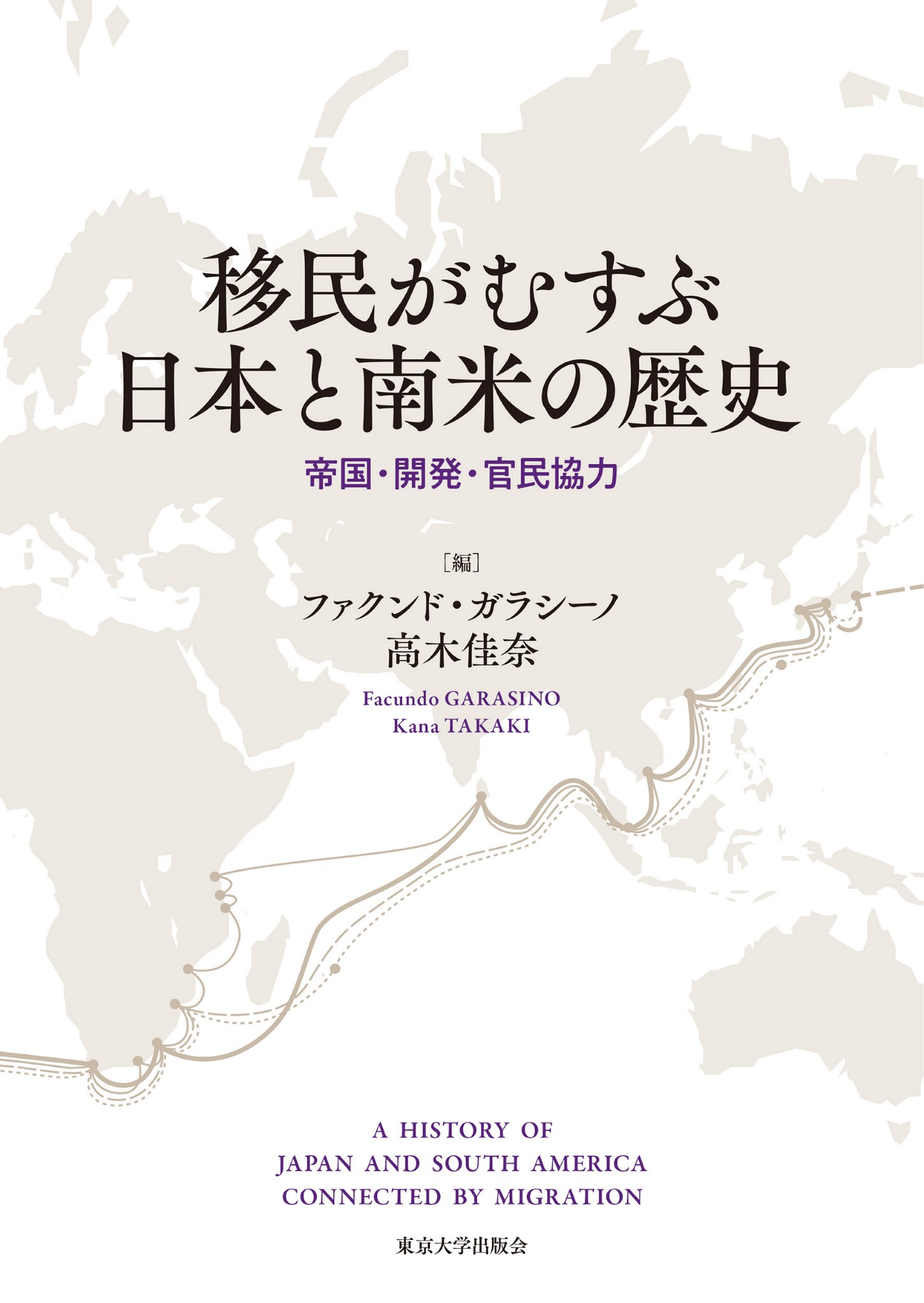
移民がむすぶ日本と南米の歴史
Uma história do Japão e da América do Sul conectada pela migração
Editora ↗
戦後日本の〈帝国〉経験 断裂し重なり合う歴史と対峙する
A experiência do "Império" no Japão do pós-guerra: confrontando histórias fragmentadas e sobrepostas
Editora ↗
移民の町サンパウロの子どもたち
Crianças de São Paulo, cidade de imigrantes (adapt. de Nas Ruas do Brás)
Amazon ↗
戦前ブラジル日本移民の記憶と歴史 —半田知雄の少年期をめぐる記述から—
Memória e história dos imigrantes brasileiros do pré-guerra: sobre as narrativas da infância de Handa Tomoo
Kinokuniya ↗
Projetos Atuais e Recentes
Pesquisa sobre os Laços Intelectuais entre o Império Japonês e a Comunidade Nikkei Brasileira
Este projeto examina como as comunidades nikkei brasileiras se engajaram e reinterpretaram construtos ideológicos do Império japonês, especialmente por meio da educação, da mídia étnica e dos discursos de re-migração e pertencimento durante o período pré-guerra e de guerra.
O Projeto Luís Fróis
Em colaboração com Itoh Akihito (伊藤秋仁, Universidade de Estudos Estrangeiros de Kyoto) e Goza Yuuichi (呉座勇一, Centro Internacional de Pesquisa sobre Cultura Japonesa), participo de um novo projeto de tradução japonesa anotada da História de Japam de Luís Fróis. Redigida pelo missionário jesuíta português entre 1583 e 1597, a crônica de Fróis é um dos relatos de primeira mão mais detalhados sobre o Japão durante o período Sengoku, oferecendo uma perspectiva externa extraordinária sobre política, religião e vida cotidiana. O projeto combina rigor filológico com contextualização histórica, com o objetivo de tornar esse texto fundacional acessível ao leitor japonês contemporâneo.
O primeiro resultado colaborativo — uma introdução e tradução selecionada — foi publicado na revista científica com revisão por pares Ignis (Universidade de Estudos Estrangeiros de Kyoto, vol. 5, janeiro de 2026).
Tradução de Graciliano Ramos
Em colaboração com Masayuki Kibe (岐部雅之, especialista em literatura brasileira), produzo a primeira tradução japonesa completa de São Bernardo (1934), de Graciliano Ramos, um dos romances definidores da literatura brasileira do século XX. O projeto enfrenta os desafios formais e estilísticos da prosa austera e psicologicamente densa de Ramos, buscando transmitir tanto a força literária quanto o mundo social do Nordeste brasileiro no período entreguerras. Uma tradução em volume foi publicada pela 春風社 em 2026; traduções dos capítulos I–XXI têm aparecido nas revistas científicas Ignis e ANAIS desde 2024. A tradução de Insônia (1947) está atualmente em curso. O objetivo de longo prazo do projeto é produzir traduções japonesas da obra completa de Graciliano Ramos.
Cultura Visual e a Obra do Fotógrafo Aramasa Taku (n. 1936)
Esta pesquisa foca na vida e obra de Aramasa Taku (新正卓), cuja fotografia registra as complexidades emocionais e históricas das vidas transnacionais japonesas — da Manchúria em guerra à emigração pós-guerra no Brasil e nos EUA, aos retratos de comunidades indígenas. Suas obras principais incluem A Portrait of Japanese Immigrants to South America (1985), Who Am I (1990) e The Silent Land / Siberia (1995). A partir de materiais inéditos, entrevistas e análise de fotolivros, o projeto considera a prática visual de Aramasa como uma forma de narração histórica que aborda temas de império, perda, memória e cruzamento de fronteiras.
Histórias Transnacionais da Imigração Japonesa para a América do Sul
Como parte de um grupo de pesquisa colaborativa no Instituto de Pesquisa Ogata Sadako da JICA, esta contribuição investigou as práticas educativas cristãs promovidas pela Nihon Rikkōkai e o papel do discurso religioso na formação da identidade comunitária e dos laços imperiais. O volume coletivo resultante deste projeto foi publicado pela University of Tokyo Press em 2025 como 移民がむすぶ日本と南米の歴史:帝国・開発・官民協力 (org. Facundo Garasino e Kana Takaki).
A Prática Intelectual e a Atividade Discursiva da Camada Intelectual da Comunidade Nikkei Brasileira
Examinou como os intelectuais nikkei brasileiros desenvolveram discurso histórico e político por meio de jornais comunitários, revistas e conferências públicas, com foco na dinâmica interna da produção de conhecimento na sociedade imigrante.
Escritos
Ensaios ocasionais sobre história, tradução, cultura e a experiência de viver e trabalhar entre o Brasil e o Japão.
Apresentações Selecionadas
Uma seleção de comunicações em congressos e palestras convidadas. Para o registro completo, consulte researchmap.jp/fmotta.
Disciplinas
Uma seleção de disciplinas ministradas na Universidade de Estudos Estrangeiros de Kyoto (KUFS) e na Universidade de Osaka.
Seminário sobre a Sociedade do Mundo Lusófono I & II — ポルトガル語圏社会ゼミⅠ・Ⅱ
A minha pesquisa centra-se na história da migração e da experiência transfronteiriça na relação Japão–América Latina — em particular a comunidade nikkei brasileira —, examinando temas de mobilidade, memória, império e representação de minorias, a partir de abordagens que cruzam a história, a cultura visual, a tradução e a literatura comparada. Os temas actuais incluem: ① vida intelectual e discurso público nikkei; ② intersecções entre a história da América Latina e a do Japão; ③ laços ideológicos entre a comunidade nikkei transnacional e o Japão imperial; ④ tradução e literatura lusófona; ⑤ representações visuais da experiência transfronteiriça e da memória. O fio condutor comum é a questão de como a experiência daqueles que cruzam fronteiras é narrada, registada e recordada. O seminário é aberto a estudantes interessados nestes temas e que queiram explorar a sociedade, a história e a expressão a partir da sua própria perspectiva.
Fundamentos da pesquisa acadêmica e preparação para a dissertação. Os estudantes desenvolvem habilidades de argumentação através da leitura atenta e discussão de textos lusófonos, e identificam um tema de dissertação baseado em seus próprios interesses.
Continuação da leitura atenta em paralelo com apresentações individuais e discussão. Os estudantes aprofundam seus temas de pesquisa e desenvolvem uma cultura de apoio acadêmico mútuo através de bibliografias partilhadas.
Definição da estrutura da dissertação, revisão crítica da literatura existente e clarificação da direção analítica da questão de pesquisa. Os estudantes avançam na escrita em direção à dissertação completa.
Escrita intensiva da dissertação. Os estudantes submetem capítulos progressivamente, integram o feedback recebido e refinam o trabalho através de orientação individual até à entrega final.
Estudo de História e Cultura dos Países de Língua Portuguesa
Esta disciplina aborda a formação histórica do mundo lusófono: das origens do reino português e da Reconquista, passando pela Era dos Descobrimentos, o tráfico atlântico de escravizados, as estruturas coloniais na África e no Brasil, até a independência brasileira em 1822. O objetivo não é memorizar datas, mas compreender como forças políticas, econômicas e sociais moldaram o mundo lusófono e continuam a informar o seu presente.
Estudo da Cultura Africana de Língua Portuguesa
Continuação da série de formação histórica, esta disciplina centra-se na África lusófona — sobretudo Angola e Moçambique. Os temas incluem o comércio triangular, o tráfico atlântico de escravizados, os modelos de governação colonial portuguesa, as guerras de independência, os conflitos da Guerra Fria e a construção dos estados pós-coloniais. A disciplina posiciona a África não como região periférica, mas como central para a formação do mundo lusófono, conectando Europa, Américas e África num único espaço histórico.
Fundamentos da Sociedade nos Países de Língua Portuguesa
Disciplina introdutória para alunos do primeiro ano, cobrindo os conceitos políticos e sociais básicos necessários para compreender o mundo lusófono: o estado, a cidadania, os direitos, a monarquia, a república, o federalismo, a democracia, a ditadura, o nacionalismo e a diáspora. Mais do que uma panorâmica de factos, a disciplina incentiva o pensamento comparativo.
Estudos de Interpretação Comunitária II (Português)
Disciplina prática que prepara os alunos para a interpretação comunitária em contextos de administração pública, assistência social, educação, saúde e justiça — áreas em que os falantes de português no Japão enfrentam regularmente barreiras linguísticas. Através de role-plays, estudos de caso e reflexão estruturada, os alunos desenvolvem não só habilidades linguísticas, mas também consciência ética e capacidade de julgamento situacional. A disciplina visa o nível CEFR B2 e alinha-se com a norma ISO 13611:2024.
Estudos Culturais Luso-Brasileiros: Uma Panorâmica da História do Brasil
Disciplina anual sobre história do Brasil tendo como livro-texto História Concisa do Brasil de Boris Fausto. O primeiro semestre abrange o período colonial e imperial (século XVI a 1889), examinando as estruturas da colonização, a escravidão, as comunidades indígenas e o processo de independência. O segundo semestre cobre a era republicana, da Primeira República ao varguismo, à ditadura militar, à democratização e ao Brasil contemporâneo.
Português para Cultura Turística
Desenvolve habilidades de leitura e debate a partir de materiais sobre os principais destinos turísticos do mundo lusófono, combinando prática linguística com sensibilização intercultural. Ministrada em japonês e português.
Português para Cinema e Música
Disciplina de língua e cultura que usa o cinema e a música lusófonos para desenvolver a compreensão auditiva e a expressão oral em português. Cada sessão aborda um gênero ou tema diferente: cinema brasileiro (incluindo Central do Brasil), morna cabo-verdiana (Cesária Évora), documentário angolano, bossa nova, MPB, fado, hip-hop e choro. O contexto cultural e social é discutido em português, tornando a disciplina simultaneamente um exercício linguístico e uma introdução à riqueza da produção artística lusófona.
Academic Skills for Humanities
Esta disciplina desenvolve habilidades acadêmicas fundamentais para as humanidades: leitura de textos acadêmicos em inglês, notetaking, apresentação e discussão. Os tópicos são selecionados a partir dos Estudos Japoneses Contemporâneos e incluem gênero, guerra e memória, consciência histórica, política e transformação social. Ministrada em inglês.
Entre em contato
Departamento de Estudos Luso-Brasileiros
Substitua [at] por @ para enviar.